
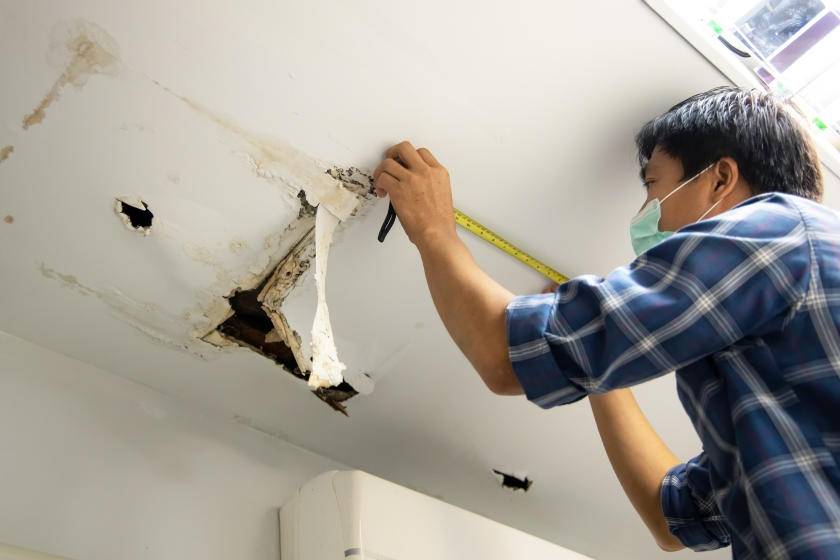
Signs of Structural Damage – When it comes to maintaining your home, the structural integrity of the building is something that should never be overlooked. While superficial wear and tear is common over the years, certain warning signs could indicate deeper issues that require immediate attention. Spotting these problems early can help you avoid costly repairs down the track.
Cracks in Walls or Ceilings
One of the most common red flags is cracking — especially around windows, door frames, or ceilings. While some hairline cracks are harmless and often due to natural settling, wider or growing cracks may suggest movement in the foundations or frame. These cracks can affect structural stability over time, and it’s always wise to have them assessed by a professional builder or inspector.
Doors and Windows That Stick
If you notice your doors or windows are harder to open or close, it could be more than just humidity. Structural movement can shift the alignment of frames, making it difficult for them to function properly. This symptom is often linked to issues in the foundation, which may require levelling or reinforcement.
Sloping or Uneven Floors
Walking across your living room and feeling like you’re heading downhill? Uneven flooring is a subtle yet serious warning sign that your subfloor or supports might be compromised. In some homes, you might even spot gaps between the floor and skirting boards — another indication that movement has occurred beneath the surface.
Visible Gaps or Separation in Walls
If your walls are separating from the ceiling or floors, this is a sign that your home may be under stress. This often happens in older homes but can appear in newer builds too, especially if soil movement, water damage, or faulty workmanship are involved. These gaps can eventually grow and lead to major issues if ignored.
Sagging Ceilings and What They Mean
Another commonly missed issue in many homes is a ceiling that appears to sag or dip. While it may seem cosmetic at first glance, it can be a symptom of structural damage, water leaks, or compromised ceiling battens.
If you’re unsure what causes it or how to address it, we highly recommend reading this detailed article on sagging ceiling causes by experts in Perth. It provides helpful insights into warning signs, risk factors, and what steps to take if your ceiling is showing signs of failure.
Don’t Wait Until It’s Too Late
The earlier you detect structural issues in your home, the more options you’ll have to fix them affordably and safely. While some symptoms may look minor on the surface, they can be early indicators of serious underlying problems. Whether you’re dealing with cracks, sticking doors, or unusual ceiling behaviour, it’s always worth getting a professional assessment.
Your home is one of your biggest investments — keeping it structurally sound ensures not only your safety, but also the long-term value of your property.

