
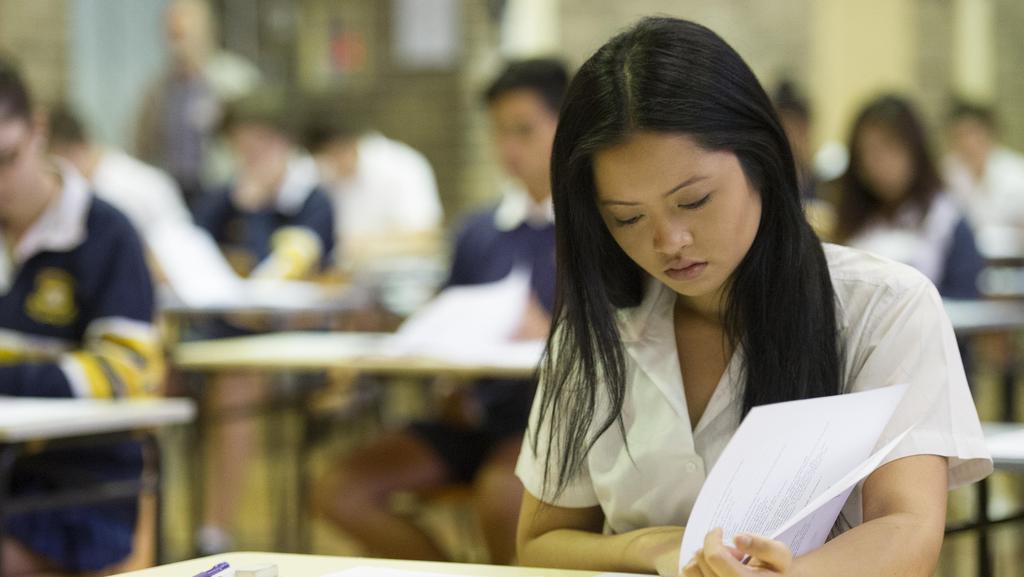
Studying in Australia is a dream for many Indonesian students, thanks to its high-quality education, diverse culture, and strong Indonesian student community. With globally recognized universities and a reputation for academic excellence, Australia is a top choice for those looking to pursue a master’s degree. However, beyond the excitement of studying abroad, one of the biggest concerns for prospective students is the financial aspect. How much does it actually cost to live and study in Australia?
Understanding the full financial picture is crucial for proper budgeting and planning. Tuition fees, accommodation, food, transportation, and other living expenses can add up quickly, making it essential to know what to expect before making the move. Additionally, many students seek scholarships and part-time work opportunities to ease the financial burden.
In this article, we will break down the actual costs of studying for a master’s degree in Australia, covering tuition fees, visa and health insurance costs, living expenses, transportation, and potential income from part-time work. By the end of this guide, you will have a clearer idea of how much you need to prepare financially and how to manage your budget effectively while studying in Australia.
1. Tuition Fees
The largest expense for international students in Australia is tuition fees. The cost varies depending on the university, program, and duration of study. On average:
- Public Universities: AUD 25,000 – AUD 50,000 per year
- Private Universities: AUD 35,000 – AUD 60,000 per year
For example, popular universities such as the University of Melbourne, Australian National University (ANU), and the University of Sydney have higher tuition fees, often exceeding AUD 40,000 per year for certain programs. In contrast, universities like Charles Sturt University or Western Sydney University may offer more affordable options.
Additional Costs: Some programs may require extra fees for laboratory use, fieldwork, or materials, so it’s essential to check with your university before enrolling.
2. Student Visa and Health Insurance
Before you can study in Australia, you need to apply for a student visa (Subclass 500), which costs AUD 710 per application. This visa allows you to stay in Australia for the duration of your study program and work up to 48 hours per fortnight during the semester.
International students are also required to have Overseas Student Health Cover (OSHC), which provides medical insurance during their stay. The cost varies based on the provider but typically ranges between AUD 500 – AUD 700 per year for a single student.
3. Accommodation Costs
Your living expenses in Australia will largely depend on where you choose to live. The three most common options are:
- On-Campus Housing: AUD 250 – AUD 500 per week
- Shared Apartment/House: AUD 150 – AUD 350 per week
- Homestay (Living with a Host Family): AUD 235 – AUD 325 per week
Major cities like Sydney and Melbourne tend to have higher rent compared to cities like Adelaide, Brisbane, or Perth. Sharing accommodation with other students is a popular and cost-effective way to manage expenses.
4. Living Expenses
Apart from rent, daily living expenses include food, transport, utilities, and leisure activities. On average, students spend:
- Groceries and Dining Out: AUD 300 – AUD 600 per month
- Utilities (Electricity, Water, Internet): AUD 150 – AUD 250 per month
- Public Transport: AUD 100 – AUD 200 per month
- Mobile Phone & Internet: AUD 40 – AUD 80 per month
- Entertainment & Leisure: AUD 100 – AUD 300 per month
A student’s total monthly expenses range from AUD 1,500 – AUD 2,500, depending on lifestyle and location.
5. Transportation Costs
Public transport in Australia is well-developed, and students often rely on buses, trains, and trams to commute. Many states offer student discounts on transport passes:
- Opal Card (NSW – Sydney): AUD 50 – AUD 150 per month (discounted fares for students)
- Myki Card (Victoria – Melbourne): AUD 60 – AUD 170 per month
- Go Card (Queensland – Brisbane): AUD 50 – AUD 140 per month
Some students opt for bicycles as a cost-effective and eco-friendly way to commute.
6. Part-Time Work Opportunities
To support their expenses, many international students work part-time in cafes, retail stores, and offices. The Australian minimum wage is AUD 23.23 per hour (as of 2025), meaning students can earn AUD 900 – AUD 1,500 per month by working within the legal 48-hour per fortnight limit during the semester and full-time during holidays.
7. Scholarships and Financial Aid
Many universities offer scholarships for international students based on academic merit, leadership qualities, and financial need. Some popular scholarship options include:
- Australia Awards Scholarships (fully funded by the government)
- University-Specific Scholarships (offered by Monash, UNSW, etc.)
- Endeavour Postgraduate Scholarships
Applying for these scholarships can significantly reduce tuition and living expenses.
8. Miscellaneous Costs
Besides essential expenses, students should also budget for:
- Textbooks & Study Materials: AUD 500 – AUD 1,500 per year
- Student Union Fees: AUD 100 – AUD 300 per year
- Gym Membership & Sports Activities: AUD 30 – AUD 80 per month
- Travel & Sightseeing: AUD 200 – AUD 500 per semester
9. Total Estimated Cost Per Year
Taking all these expenses into account, here’s an estimated yearly budget for an Indonesian student studying in Australia:
| Expense Category | Estimated Cost (AUD per year) |
|---|---|
| Tuition Fees | 25,000 – 50,000 |
| Accommodation | 7,800 – 18,200 |
| Living Expenses | 18,000 – 30,000 |
| Health Insurance (OSHC) | 500 – 700 |
| Student Visa Fees | 710 |
| Transportation | 1,200 – 2,500 |
| Miscellaneous Costs | 2,000 – 4,000 |
| Total | 55,000 – 105,000 |
Conclusion
Studying in Australia requires careful financial planning, as the costs can be significant. However, through scholarships, part-time jobs, and smart budgeting, Indonesian students can manage their expenses efficiently. While tuition fees are fixed, students have flexibility in choosing affordable accommodation and minimizing unnecessary costs.
Despite the financial challenges, studying in Australia offers numerous benefits, including world-class education, career opportunities, and personal growth. With proper preparation and a strategic approach to budgeting, Indonesian students can make their dream of studying in Australia a reality. By understanding the costs and financial options available, students can focus more on their academic and personal experiences, making the most of their time abroad.

